Merchandise: Elevating Brand Identity Through Thoughtful Typography
In the rapidly evolving landscape of digital and print design, the choice of typography is rarely just an aesthetic decision; it is a strategic one. Among the myriad of typefaces available to designers today, Merchandise has emerged as a distinctive tool for professionals seeking to balance approachability with clarity. Described as a neat and friendly display font, Merchandise offers a simple and natural style that resonates deeply with modern audiences who value authenticity and ease of reading.
This article explores why Merchandise is becoming the preferred choice for creating social media posts, websites, flyers, invitations, and any other design that needs a customized touch. We will examine how this typeface aligns with current market trends, enhances user experience, and supports the broader goals of branding and communication.
Understanding the Aesthetic of Merchandise
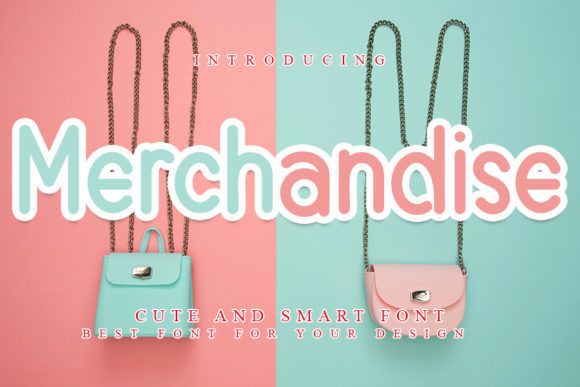
To appreciate the utility of Merchandise, one must first understand its visual language. Unlike highly decorative or ornate display fonts that can distract from content, Merchandise strikes a careful balance. Its "neat and friendly" character suggests a tone that is professional yet accessible. This is crucial in an era where consumers are bombarded with information and seek brands that feel human and relatable.
The font’s simple and natural style allows it to blend seamlessly into various design contexts without overpowering them. It avoids the rigidity of traditional serif fonts while eschewing the overly casual nature of some handwritten scripts. Instead, it occupies a sweet spot that feels curated and intentional. For creators and entrepreneurs, this means that every piece of communication—from a business card to a website header—carries a consistent voice that is both inviting and authoritative.
The Role of Display Fonts in Digital Communication
Display fonts are designed to be read at large sizes and are often used for headlines, titles, and short bursts of text. In the context of social media and web design, where attention spans are short, the impact of a headline font is magnified. Merchandise serves this purpose effectively by drawing the eye without causing fatigue. Its clean lines and open structures ensure legibility across different screen sizes and resolutions, a critical factor for responsive web design.
Moreover, the "customized touch" mentioned in its description refers to the unique personality it injects into a project. When a brand uses Merchandise, it signals a departure from generic templates. It suggests that the creator has paid attention to detail and cares about the visual harmony of their message. This level of care is increasingly valued by consumers who associate high-quality design with high-quality products or services.
Aligning with Contemporary Market Trends
The rise of Merchandise as a popular choice is not isolated; it reflects broader shifts in consumer preferences and industry standards. Today’s market is characterized by a demand for transparency, simplicity, and personal connection. Brands are moving away from corporate sterility toward designs that evoke emotion and trust. Merchandise fits perfectly into this paradigm.
The Shift Toward Authenticity
Consumers are becoming more discerning about the brands they support. They prefer companies that present themselves honestly and clearly. A font like Merchandise, with its natural and unpretentious style, supports this narrative of authenticity. It does not try too hard to impress with complexity; instead, it relies on clarity and friendliness to build rapport. This aligns with the growing trend of "quiet luxury" and minimalist design, where less is indeed more.
For marketers and freelancers, leveraging a font that embodies these values can enhance brand loyalty. When a customer encounters a flyer or an invitation designed with Merchandise, they subconsciously register a sense of warmth and professionalism. This positive association can influence their perception of the brand, making them more likely to engage further.
Adaptability Across Platforms
Another key trend driving the adoption of versatile fonts like Merchandise is the need for consistency across multiple platforms. Entrepreneurs and creators operate in a multi-channel environment, where their brand presence must be uniform whether viewed on Instagram, a desktop website, or a printed event poster. Merchandise’s adaptability ensures that the brand voice remains intact regardless of the medium.
- Social Media Posts: The friendly nature of the font makes it ideal for captions and quotes, encouraging engagement and shares.
- Websites: Its readability supports better user experience (UX), reducing bounce rates and increasing time on page.
- Flyers and Invitations: The customized touch adds a premium feel to physical marketing materials, making them stand out in crowded spaces.
Practical Applications for Professionals
Understanding the theoretical benefits of Merchandise is valuable, but applying it effectively requires practical insight. Here are several scenarios where this font shines, demonstrating its versatility and impact.
Event Marketing and Invitations
Events, whether virtual or physical, rely heavily on first impressions. An invitation designed with Merchandise sets the tone for the entire experience. Its neat and friendly style conveys organization and hospitality. For example, a tech conference might use Merchandise for its main headings to appear innovative yet welcoming, while using a neutral body font for detailed information. This combination creates a balanced visual hierarchy that guides the attendee’s eye naturally through the content.
Similarly, for lifestyle brands hosting workshops or pop-up shops, Merchandise adds a touch of elegance without being stuffy. It bridges the gap between formal and informal, which is essential for events aiming to foster community and interaction.
Digital Content Creation
In the realm of digital content, visibility is key. Social media algorithms favor content that captures attention quickly. Using Merchandise for overlay text on images or videos can make messages pop without cluttering the visual field. Its simple structure ensures that the text remains readable even when placed over busy backgrounds, a common challenge for graphic designers.
Furthermore, for newsletters and email marketing campaigns, the subject line and headers play a crucial role in open rates. A well-chosen font like Merchandise can increase click-through rates by making the email appear more polished and trustworthy. Marketers have found that subtle typographic choices significantly influence user behavior, and Merchandise is a powerful ally in this regard.
Branding and Identity Systems
For startups and small businesses, establishing a strong brand identity is paramount. Merchandise can serve as a cornerstone of this identity, particularly for brands in creative industries, education, healthcare, or retail. These sectors benefit from a tone that is informative yet compassionate, and the font’s natural style delivers exactly that.
By integrating Merchandise into logos, business cards, and packaging, companies create a cohesive visual language. This consistency reinforces brand recognition and builds trust over time. It shows that the brand is thoughtful about every aspect of its presentation, from the big picture down to the smallest detail.
Why Creators Are Paying Attention to Merchandise
The growing popularity of Merchandise among professionals is driven by its ability to solve common design challenges. In a world saturated with content, standing out requires more than just bold colors or flashy animations. It requires clarity, coherence, and character. Merchandise provides all three.
Designers are drawn to its flexibility. It works well in both uppercase and lowercase settings, allowing for dynamic layout options. Its natural style pairs easily with a wide range of complementary fonts, enabling designers to create sophisticated typographic hierarchies without starting from scratch. This efficiency is highly valued by freelancers and agencies working under tight deadlines.
Additionally, the font’s alignment with current aesthetic trends makes it a future-proof choice. As design moves further away from hyper-stylized and experimental typography toward more functional and human-centered approaches, Merchandise remains relevant. It anticipates the need for designs that are not only visually appealing but also emotionally resonant.
Conclusion: The Power of Purposeful Design
In conclusion, Merchandise is more than just a typeface; it is a strategic asset for anyone looking to communicate effectively in today’s visual culture. Its neat and friendly display style, combined with its simple and natural character, makes it an ideal choice for a wide array of applications. From social media posts to intricate invitations, it helps brands convey their message with clarity and warmth.
As professionals, creators, and entrepreneurs continue to navigate the complexities of digital and physical marketing, the importance of thoughtful design cannot be overstated. By choosing tools like Merchandise, they demonstrate a commitment to quality and a respect for their audience. In doing so, they not only enhance the visual appeal of their work but also strengthen their connection with the people they aim to reach. In a marketplace that values authenticity and ease, Merchandise stands out as a smart and stylish solution.
Whether you are launching a new venture, rebranding an existing business, or simply looking to elevate your daily communications, considering the role of typography is a step in the right direction. With Merchandise, you have a reliable partner in crafting designs that are not only seen but felt.